
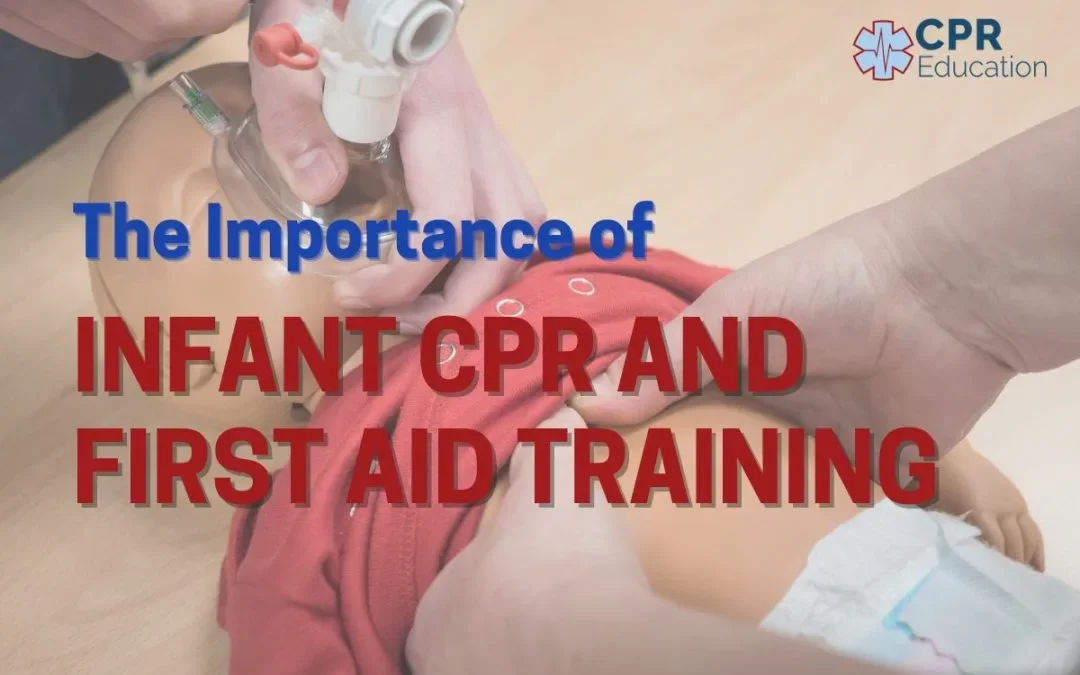
Why Infant CPR and First Aid Classes Are Essential for Every Parent
Why Infant CPR and First Aid Classes Are Essential for Every Parent
Every parent’s greatest hope is to keep their baby safe, yet emergencies can happen in an instant. Infant CPR and first aid training—covering choking, breathing emergencies, and cardiac arrest—are among the most important skills new parents can learn. According to research, 6.2% of out-of-hospital cardiac arrests occur in children under one year old. These classes empower parents to act within the critical first minutes before emergency responders arrive, often tripling survival rates.
Immediate Action Saves Lives
When a baby’s heart stops or breathing ceases, every second counts. Brain damage can begin within minutes, and waiting for emergency responders may be too long. Infant CPR provides a vital bridge to professional medical care, keeping oxygen flowing to the brain and vital organs until help arrives. Parents trained in CPR can make the difference between life and death.
Preventing Common Fatalities
Infant CPR and first aid classes prepare parents for the most common emergencies that threaten babies’ lives, including:
Choking on small objects, toys, or food
Breathing problems from RSV, asthma, or infections
Accidental drowning in bathtubs or pools
Head trauma or falls from furniture or stairs
Severe allergic reactions to foods or insect stings
These situations can escalate quickly, but with proper training, parents can respond immediately and effectively.
Building Confidence and Reducing Panic
Emergencies are stressful, and panic can cloud judgment. CPR and first aid training give parents the confidence to stay calm and take decisive action. Knowing exactly what to do reduces hesitation and mistakes, allowing parents to focus on helping their baby rather than freezing in fear.
Recognizing Emergencies Early
Infants are more vulnerable to breathing issues and cardiac events than adults. Their smaller airways, faster heart rates, and developing immune systems make them more susceptible to sudden distress. CPR and first aid classes teach parents how to recognize early warning signs—such as changes in breathing, color, or responsiveness—so they can intervene before the situation becomes critical.
Lifelong, Life-Saving Skills
The knowledge gained from infant CPR and first aid training extends beyond the newborn stage. These are lifelong skills that benefit the entire family. Grandparents, babysitters, and caregivers can all play a role in creating a safer environment for children. A 90-minute class could save a baby’s life—and that’s time well spent.
If nannies and daycare providers are required to be CPR certified, parents should be too. Babies explore the world through their mouths—they can choke on toys, food, or even milk. When it’s just a parent and their baby, that parent becomes the first responder. Getting certified isn’t optional—it’s essential.
Take the step today. Learn infant CPR. Empower yourself to protect what matters most.
Every parent’s greatest hope is to keep their baby safe, yet emergencies can happen in an instant. Infant CPR and first aid training—covering choking, breathing emergencies, and cardiac arrest—are among the most important skills new parents can learn. According to research, 6.2% of out-of-hospital cardiac arrests occur in children under one year old. These classes empower parents to act within the critical first minutes before emergency responders arrive, often tripling survival rates.
Immediate Action Saves Lives
When a baby’s heart stops or breathing ceases, every second counts. Brain damage can begin within minutes, and waiting for emergency responders may be too long. Infant CPR provides a vital bridge to professional medical care, keeping oxygen flowing to the brain and vital organs until help arrives. Parents trained in CPR can make the difference between life and death.
Preventing Common Fatalities
Infant CPR and first aid classes prepare parents for the most common emergencies that threaten babies’ lives, including:
Choking on small objects, toys, or food
Breathing problems from RSV, asthma, or infections
Accidental drowning in bathtubs or pools
Head trauma or falls from furniture or stairs
Severe allergic reactions to foods or insect stings
These situations can escalate quickly, but with proper training, parents can respond immediately and effectively.
Building Confidence and Reducing Panic
Emergencies are stressful, and panic can cloud judgment. CPR and first aid training give parents the confidence to stay calm and take decisive action. Knowing exactly what to do reduces hesitation and mistakes, allowing parents to focus on helping their baby rather than freezing in fear.
Recognizing Emergencies Early
Infants are more vulnerable to breathing issues and cardiac events than adults. Their smaller airways, faster heart rates, and developing immune systems make them more susceptible to sudden distress. CPR and first aid classes teach parents how to recognize early warning signs—such as changes in breathing, color, or responsiveness—so they can intervene before the situation becomes critical.
Lifelong, Life-Saving Skills
The knowledge gained from infant CPR and first aid training extends beyond the newborn stage. These are lifelong skills that benefit the entire family. Grandparents, babysitters, and caregivers can all play a role in creating a safer environment for children. A 90-minute class could save a baby’s life—and that’s time well spent.
If nannies and daycare providers are required to be CPR certified, parents should be too. Babies explore the world through their mouths—they can choke on toys, food, or even milk. When it’s just a parent and their baby, that parent becomes the first responder. Getting certified isn’t optional—it’s essential.
Take the step today. Learn infant CPR. Empower yourself to protect what matters most.
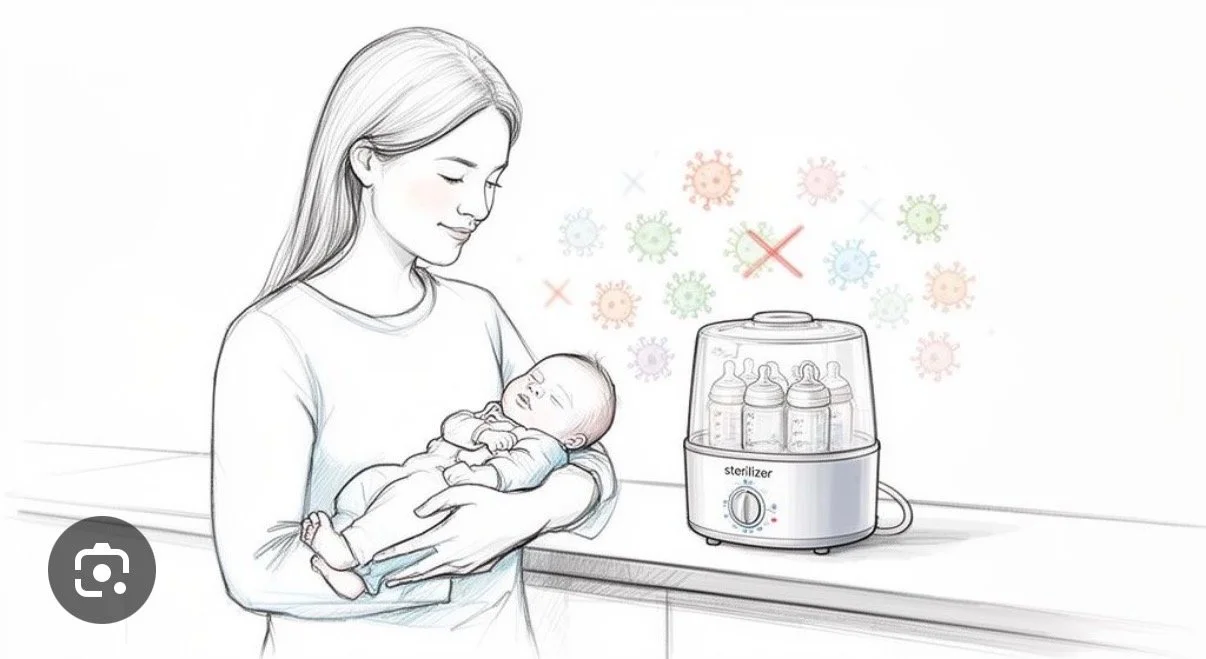
Why a Baby Bottle Sterilizer and Dryer Is a Total Game-Changer
Why a Baby Bottle Sterilizer and Dryer Is a Total Game-Changer
When it comes to baby gear, some items truly make life easier—and a baby bottle sterilizer and dryer is one of them. Parents often describe it as life-changing, and after years of working with families as a professional nanny and baby planning consultant, it’s easy to see why.
Time-Saving and Stress-Reducing
Between feeding, diaper changes, and soothing a newborn, every minute counts. A sterilizer and dryer not only ensures bottles are clean and safe but also saves valuable time. Instead of waiting for bottles to air dry or juggling multiple cleaning steps, everything is done in one simple process. That means more time for what really matters—snuggling, bonding, and playing with the baby.
Real Parent Feedback
Parents consistently rave about how much they love this product. Many have said things like, “Honestly, yes—worth every single cent!” Others share that it’s “totally worth adding to a registry if you plan to bottle-feed frequently, formula-feed, or pump.”
These aren’t just passing comments—they’re reflections of how much easier daily routines become when bottles are ready to go at any time.
Professional Experience
Over 26 years as a professional nanny, I’ve worked with families who had a sterilizer and those who didn’t. The difference is remarkable. For families who used one, the feeding process was smoother, faster, and far less stressful. It allowed me to spend more time engaging with the baby instead of standing at the sink washing and drying bottles.
Tried and Loved Brands
Personally, I’ve used the Baby Brezza sterilizer and dryer and absolutely loved it. It’s efficient, easy to use, and reliable. My sister currently uses the Papablic brand and feels the same way—she says it saves her so much time and wants every new parent to know it’s totally worth it.
https://www.amazon.com/Papablic-Bottle-Electric-Steam-Sterilizer/dp/B074M5XZTS?th=1
A Must-Have Registry Item
Part of my work through Joyful Baby Beginnings is helping expectant parents decide which baby registry items are truly worth the investment. Every single time I’ve recommended a sterilizer and dryer, parents have been thrilled they added it to their list.
If bottle-feeding, pumping, or formula-feeding is part of the plan, this is one product that truly earns its place on the registry. It’s not just a convenience—it’s a sanity saver.
When it comes to baby gear, some items truly make life easier—and a baby bottle sterilizer and dryer is one of them. Parents often describe it as life-changing, and after years of working with families as a professional nanny and baby planning consultant, it’s easy to see why.
Time-Saving and Stress-Reducing
Between feeding, diaper changes, and soothing an infant, every minute counts. A sterilizer and dryer not only ensures bottles are clean and safe but also saves valuable time. Instead of waiting for bottles to air dry or juggling multiple cleaning steps, everything is done in one simple process. That means more time for what really matters—snuggling, bonding, and playing with the baby.
Real Parent Feedback
Parents consistently rave about how much they love this product. Many have said things like, “Honestly, yes—worth every single cent!” Others share that it’s “totally worth adding to a registry if you plan to bottle-feed frequently, formula-feed, or pump.”
These aren’t just passing comments—they’re reflections of how much easier daily routines become when bottles are ready to go at any time.
Professional Experience
Over 26 years as a professional nanny, I’ve worked with families who had a sterilizer and those who didn’t. The difference is remarkable. For families who used one, the cleaning process was smoother, faster, and far less stressful. It allowed me to spend more time engaging with the baby instead of standing at the sink washing and drying bottles.
Tried and Loved Brands
Personally, I’ve used the Baby Brezza sterilizer and dryer and absolutely loved it. It’s efficient, easy to use, and reliable. My sister currently uses the Papablic brand and feels the same way—she says it saves her so much time and wants every new parent to know it’s totally worth it.
https://www.amazon.com/Baby-Brezza-Baby-Bottle-Sterilizer-Dryer-Electric-Steam/dp/B09HJDX5S6?th=1
https://www.amazon.com/Papablic-Bottle-Electric-Steam-Sterilizer/dp/B074M5XZTS?th=1
A Must-Have Registry Item
Part of my work through Joyful Baby Beginnings is helping expectant parents decide which baby registry items are truly worth the investment. Every single time I’ve recommended a sterilizer and dryer, parents have been thrilled they added it to their list.
If bottle-feeding, pumping, or formula-feeding is part of the plan, this is one product that truly earns its place on the registry. It’s not just a convenience—it’s a sanity saver.

Navigating Toddler Eating Habits: Building Confidence, Not Control
Navigating Toddler Eating Habits: Building Confidence, Not Control
Toddler eating habits can be unpredictable, inconsistent, and sometimes downright puzzling. One day they love strawberries, the next day they act like they’ve never seen one before. These ups and downs are completely normal and part of healthy development. Feeding a toddler isn’t about perfection—it’s about consistency, patience, and trust.
Expect the Unexpected
Toddlers are learning to navigate their world, communicate their preferences, and assert independence. Eating is one of the first areas where they can exercise control. Expect odd, picky, or inconsistent eating habits as normal. Offer a variety of foods without pressure, trusting that they will eat when hungry. If they are growing well, temporary phases of eating less or sticking to one food are okay.
The Division of Responsibility
Parents decide what, when, and where food is served. Toddlers decide whether to eat and how much. This balance helps children stay connected to their hunger cues and builds trust around food. Pushing, forcing bites, or fighting over meals can actually reduce a child’s desire to eat and create negative associations with mealtime.
Keep Mealtimes Consistent and Calm
Establish a predictable daily routine with three meals and two to three snacks spaced about two to three hours apart. Keep meals to 15–20 minutes, serve small portions, and minimize distractions like TV or toys. Encourage toddlers to eat while seated and, whenever possible, share meals together as a family. Seeing others eat helps toddlers learn by example.
Offer Variety Without Pressure
Include at least one food on the plate that’s generally liked alongside new or less-preferred foods. Let toddlers interact, touch, and play with food—it’s how they build familiarity and comfort. If they reject a food, keep offering it periodically without pressure. It can take many exposures before a child accepts a new taste or texture.
Look at the Week, Not the Day
Toddlers’ appetites fluctuate. They may eat a lot one day and almost nothing the next. Instead of worrying about each meal, look at their overall intake across the week. If growth and energy levels are normal, they’re likely getting what they need. For ongoing concerns, consult a pediatrician, but remember that low-stress, consistent meals are key to raising confident eaters.
Avoid the “Food Jag” Trap
When a child fixates on one food, it’s tempting to serve it daily just to ensure they eat something. But giving in too often can limit exposure to new foods. Most “food jags” pass quickly if parents stay calm and keep offering variety. Kids won’t starve—they’ll learn flexibility and expand their tastes over time.
Model the Behavior You Want to See
Children learn by watching. Serve nutritious foods you enjoy and try new dishes yourself. When toddlers see adults eating and enjoying healthy foods, they’re more likely to follow suit. Think of it like being out to dinner—sometimes what’s on someone else’s plate looks more appealing. Toddlers feel the same way. If they see a parent enjoying a colorful salad, they might want to try it too.
Make Food Fun and Interactive
Turn mealtime into a positive experience. Invite toddlers to help with simple tasks like stirring, washing veggies, or choosing between two healthy options. Even five minutes of shared food prep can become meaningful bonding time. The next day, remind them of what they enjoyed—“Remember that delicious salad you liked last night? Want to make your own for dinner tonight?” This builds excitement and ownership around food.
The Big Picture
Feeding toddlers is about creating a foundation for lifelong healthy eating habits. Stay consistent, keep mealtimes relaxed, and trust the process. Toddlers may be unpredictable eaters, but with patience and structure, they’ll grow into confident, curious, and capable eaters—one bite at a time.
Toddler eating habits can be unpredictable, inconsistent, and sometimes downright puzzling. One day they love strawberries, the next day they act like they’ve never seen one before. These ups and downs are completely normal and part of healthy development. Feeding a toddler isn’t about perfection—it’s about consistency, patience, and trust.
Expect the Unexpected
Toddlers are learning to navigate their world, communicate their preferences, and assert independence. Eating is one of the first areas where they can exercise control. Expect odd, picky, or inconsistent eating habits as normal. Offer a variety of foods without pressure, trusting that they will eat when hungry. If they are growing well, temporary phases of eating less or sticking to one food are okay.
The Division of Responsibility
Parents decide what, when, and where food is served. Toddlers decide whether to eat and how much. This balance helps children stay connected to their hunger cues and builds trust around food. Pushing, forcing bites, or fighting over meals can actually reduce a child’s desire to eat and create negative associations with mealtime.
Keep Mealtimes Consistent and Calm
Establish a predictable daily routine with three meals and two to three snacks spaced about two to three hours apart. Keep meals to 15–20 minutes, serve small portions, and minimize distractions like TV or toys. Encourage toddlers to eat while seated and, whenever possible, share meals together as a family. Seeing others eat helps toddlers learn by example.
Offer Variety Without Pressure
Include at least one food on the plate that’s generally liked alongside new or less-preferred foods. Let toddlers interact, touch, and play with food—it’s how they build familiarity and comfort. If they reject a food, keep offering it periodically without pressure. It can take many exposures before a child accepts a new taste or texture.
Look at the Week, Not the Day
Toddlers’ appetites fluctuate. They may eat a lot one day and almost nothing the next. Instead of worrying about each meal, look at their overall intake across the week. If growth and energy levels are normal, they’re likely getting what they need. For ongoing concerns, consult a pediatrician, but remember that low-stress, consistent meals are key to raising confident eaters.
Avoid the “Food Jag” Trap
When a child fixates on one food, it’s tempting to serve it daily just to ensure they eat something. But giving in too often can limit exposure to new foods. Most “food jags” pass quickly if parents stay calm and keep offering variety. Kids won’t starve—they’ll learn flexibility and expand their tastes over time.
Model the Behavior You Want to See
Children learn by watching. Serve nutritious foods you enjoy and try new dishes yourself. When toddlers see adults eating and enjoying healthy foods, they’re more likely to follow suit. Think of it like being out to dinner—sometimes what’s on someone else’s plate looks more appealing. Toddlers feel the same way. If they see a parent enjoying a colorful salad, they might want to try it too.
Make Food Fun and Interactive
Turn mealtime into a positive experience. Invite toddlers to help with simple tasks like stirring, washing veggies, or choosing between two healthy options. Even five minutes of shared food prep can become meaningful bonding time. The next day, remind them of what they enjoyed—“Remember that delicious salad you liked last night? Want to make your own for dinner tonight?” This builds excitement and ownership around food.
The Big Picture
Feeding toddlers is about creating a foundation for lifelong healthy eating habits. Stay consistent, keep mealtimes relaxed, and trust the process. Toddlers may be unpredictable eaters, but with patience and structure, they’ll grow into confident, curious, and capable eaters—one bite at a time.

Newborn Spring Activities: Embracing the Season with Your Little One
Newborn Spring Activities: Embracing the Season with Your Little One
Now that winter’s chill has passed and the days are growing warmer, it’s the perfect time to step outside andenjoy the beauty of spring. After months of being bundled up indoors, the blooming flowers, gentle breezes, and sunny skies offer a refreshing change for both new parents and their babies. Fresh air and natural light can do wonders for well-being, helping parents feel rejuvenated and giving newborns a gentle introduction to the world around them. Here are some wonderful spring activities to help new parents bond with their babies and make the most of this vibrant season.
Nature Walks in a Stroller
A simple stroll can be one of the most rewarding ways to enjoy spring with a newborn. Choose a sturdy, comfortable stroller with a sunshade to protect your baby from direct sunlight. Dress your little one in light layers to keep them comfortable as temperatures shift throughout the day. Bring along a soft baby blanket—it can serve as a cozy cover during the walk or a play mat when you stop for a rest. The sights, sounds, and scents of nature provide gentle stimulation for your baby while giving parents a chance to unwind and connect.
Picnics in the Park
A picnic is a lovely way to spend time outdoors as a family. Keep it simple by packing light—just the essentials like diapers, wipes, and a blanket for sitting. Choose a quiet, shaded spot where you can relax and enjoy the fresh air. While your baby naps or coos beside you, take in the sounds of birds chirping and leaves rustling. These peaceful moments create lasting memories and help establish a sense of calm and connection between parent and child.
Recognizing Overstimulation
While outdoor adventures are exciting, it’s important to remember that newborns can easily become overstimulated. Signs include fussiness, yawning, or turning their head away. If these cues appear, find a quiet spot to rest or head home for some downtime. Short, gentle outings are best in the beginning. As your baby grows more accustomed to new sights and sounds, you can gradually extend your time outside.
Choose the Right Time of Day
Timing can make all the difference in how enjoyable an outing is for both parent and baby. Plan activities around your newborn’s feeding and nap schedule to avoid overtiredness or hunger-related fussiness. Mornings are often ideal—they’re cooler, less crowded, and full of soft natural light. A calm start to the day sets a positive tone for both you and your little one.
Opt for Baby-Friendly Destinations
Spring offers endless opportunities for exploration, but some places are better suited for newborns than others. Consider these gentle, baby-friendly destinations:
Botanical gardens or parks: Peaceful and full of color, these spaces provide a soothing environment for your baby.
Quiet nature trails: A scenic walk allows you to enjoy the outdoors without overwhelming noise or crowds.
Picnic spots: A shaded area under the trees is perfect for relaxing while your baby naps or enjoys tummy time on a blanket.
Keep It Short and Sweet
When venturing out with a newborn, less is often more. Start with short trips—perhaps 30 minutes to an hour—and gradually increase the duration as both you and your baby adjust. The goal is to enjoy the experience, not to pack the day full of activities. Over time, these small adventures will build confidence and create a comforting routine for your family.
Spring is a season of renewal and growth, making it a beautiful time to begin new traditions with a newborn. Whether it’s a quiet walk, a cozy picnic, or simply sitting outside together, these moments help nurture connection and joy. With a little planning and mindfulness, every outing can become a cherished memory in your baby’s first spring.
Now that winter’s chill has passed and the days are growing warmer, it’s the perfect time to step outside andenjoy the beauty of spring. After months of being bundled up indoors, the blooming flowers, gentle breezes, and sunny skies offer a refreshing change for both new parents and their babies. Fresh air and natural light can do wonders for well-being, helping parents feel rejuvenated and giving newborns a gentle introduction to the world around them. Here are some wonderful spring activities to help new parents bond with their babies and make the most of this vibrant season.
Nature Walks in a Stroller
A simple stroll can be one of the most rewarding ways to enjoy spring with a newborn. Choose a sturdy, comfortable stroller with a sunshade to protect your baby from direct sunlight. Dress your little one in light layers to keep them comfortable as temperatures shift throughout the day. Bring along a soft baby blanket—it can serve as a cozy cover during the walk or a play mat when you stop for a rest. The sights, sounds, and scents of nature provide gentle stimulation for your baby while giving parents a chance to unwind and connect.
Picnics in the Park
A picnic is a lovely way to spend time outdoors as a family. Keep it simple by packing light—just the essentials like diapers, wipes, and a blanket for sitting. Choose a quiet, shaded spot where you can relax and enjoy the fresh air. While your baby naps or coos beside you, take in the sounds of birds chirping and leaves rustling. These peaceful moments create lasting memories and help establish a sense of calm and connection between parent and child.
Recognizing Overstimulation
While outdoor adventures are exciting, it’s important to remember that newborns can easily become overstimulated. Signs include fussiness, yawning, or turning their head away. If these cues appear, find a quiet spot to rest or head home for some downtime. Short, gentle outings are best in the beginning. As your baby grows more accustomed to new sights and sounds, you can gradually extend your time outside.
Choose the Right Time of Day
Timing can make all the difference in how enjoyable an outing is for both parent and baby. Plan activities around your newborn’s feeding and nap schedule to avoid overtiredness or hunger-related fussiness. Mornings are often ideal—they’re cooler, less crowded, and full of soft natural light. A calm start to the day sets a positive tone for both you and your little one.
Opt for Baby-Friendly Destinations
Spring offers endless opportunities for exploration, but some places are better suited for newborns than others. Consider these gentle, baby-friendly destinations:
Botanical gardens or parks: Peaceful and full of color, these spaces provide a soothing environment for your baby.
Quiet nature trails: A scenic walk allows you to enjoy the outdoors without overwhelming noise or crowds.
Picnic spots: A shaded area under the trees is perfect for relaxing while your baby naps or enjoys tummy time on a blanket.
Keep It Short and Sweet
When venturing out with a newborn, less is often more. Start with short trips—perhaps 30 minutes to an hour—and gradually increase the duration as both you and your baby adjust. The goal is to enjoy the experience, not to pack the day full of activities. Over time, these small adventures will build confidence and create a comforting routine for your family.
Spring is a season of renewal and growth, making it a beautiful time to begin new traditions with a newborn. Whether it’s a quiet walk, a cozy picnic, or simply sitting outside together, these moments help nurture connection and joy. With a little planning and mindfulness, every outing can become a cherished memory in your baby’s first spring.

Consistency Between Parents and Caregivers: Building a Unified Approach
Consistency Between Parents and Caregivers: Building a Unified Approach
Rules for children are essential—they provide structure, safety, and predictability, helping kids develop emotional maturity, self-discipline, and social skills. But these rules only work when everyone caring for the child follows them consistently. When parents and caregivers send mixed messages, children become confused, boundaries blur, and respect for authority weakens.
The Importance of Consistency
Children thrive on routine and clear expectations. When parents tell a caregiver “no sugar,” but later allow sweets when the caregiver isn’t around, it undermines the caregiver’s authority and confuses the child. The next time the caregiver enforces the rule, the child may resist or resent it, making the caregiver’s job harder and the environment less stable.
Parents and Nannies as a Team
Parents and nannies function best as a unified team. This partnership fosters a secure environment through open communication, shared routines, and mutual respect. Consistent, collaborative care reduces child anxiety, aligns parenting values, and ensures both parties feel valued. Because the nanny works within the family’s private space, this relationship is deeply personal and built on trust.
Strategies for Alignment
Communicate Clearly: Discuss household rules, routines, and discipline methods before care begins.
Use Shared Tools: A notebook or app can track daily updates, meals, naps, and behavior notes.
Hold Regular Check-Ins: Schedule time to review what’s working and what needs adjustment.
Post Agreed-Upon Rules: Keep a visible list of family rules so everyone—parents, caregivers, and children—knows what’s expected.
Stay Consistent: Follow the same rules when the caregiver isn’t present to reinforce stability and respect.
When parents and caregivers operate as a cohesive team, children feel secure, respected, and loved. Consistency builds trust, and trust builds harmony in the home.
Rules for children are essential—they provide structure, safety, and predictability, helping kids develop emotional maturity, self-discipline, and social skills. But these rules only work when everyone caring for the child follows them consistently. When parents and caregivers send mixed messages, children become confused, boundaries blur, and respect for authority weakens.
The Importance of Consistency
Children thrive on routine and clear expectations. When parents tell a caregiver “no sugar,” but later allow sweets when the caregiver isn’t around, it undermines the caregiver’s authority and confuses the child. The next time the caregiver enforces the rule, the child may resist or resent it, making the caregiver’s job harder and the environment less stable.
Parents and Caregivers Working Together as a Team
Parents and nannies function best as a unified team. This partnership fosters a secure environment through open communication, shared routines, and mutual respect. Consistent, collaborative care reduces child anxiety, aligns parenting values, and ensures both parties feel valued. Because the nanny works within the family’s private space, this relationship is deeply personal and built on trust.
Strategies for Alignment
Communicate Clearly: Discuss household rules, routines, and discipline methods before care begins.
Use Shared Tools: A notebook or app can track daily updates, meals, naps, and behavior notes.
Hold Regular Check-Ins: Schedule time to review what’s working and what needs adjustment.
Post Agreed-Upon Rules: Keep a visible list of family rules so everyone—parents, caregivers, and children—knows what’s expected.
Stay Consistent: Follow the same rules when the caregiver isn’t present to reinforce stability and respect.
When parents and caregivers operate as a cohesive team, children feel secure, respected, and loved. Consistency builds trust, and trust builds harmony in the home.

Be Thorough and Specific When Outlining Your Needs for a Child Caregiver
Be Thorough and Specific When Outlining Your Needs for a Child Caregiver
When hiring a caregiver for your child, clarity is everything. The more specific and detailed you are about your family’s needs, the more likely you are to attract qualified candidates who are a great fit. A well-thought-out job description not only saves time but also ensures that expectations are clear from the start.
1. Define Your Family’s Needs
Before you begin your search, take time to think through your family’s daily routine and what kind of support would make life easier.
2. Clarify the Role and Responsibilities
Be explicit about what you expect from your caregiver. Ask yourself:
Will the caregiver pick up your children from school or meet them at the bus stop?
Will they be responsible for driving to after-school activities or playdates? How often?
3. Determine the Schedule and Availability
Outline exactly when you need help. If your schedule varies, note that flexibility is required.
4. Highlight Skills and Qualities That Matter Most
Think about the traits that will best complement your family’s lifestyle. For example:
A caregiver who is patient and creative for younger children
Someone organized and academically inclined for school-aged kids
5. Communicate Expectations Clearly
Transparency helps build trust and sets the tone for a positive working relationship.
Final Thought
The more specific you are about your expectations, the better your chances of finding a caregiver who fits seamlessly into your family’s life. A detailed job description not only raises the standard of applicants but also ensures that everyone starts off on the same page—creating a smoother, more joyful experience for both your family and your caregiver.
When hiring a caregiver for your child, clarity is everything. The more specific and detailed you are about your family’s needs, the more likely you are to attract qualified candidates who are a great fit. A well-thought-out job description not only saves time but also ensures that expectations are clear from the start.
1. Define Your Family’s Needs
Before you begin your search, take time to think through your family’s daily routine and what kind of support would make life easier.
2. Clarify the Role and Responsibilities
Be explicit about what you expect from your caregiver. Ask yourself:
Will the caregiver pick up your children from school or meet them at the bus stop?
Will they be responsible for driving to after-school activities or playdates? How often?
3. Determine the Schedule and Availability
Outline exactly when you need help. If your schedule varies, note that flexibility is required.
4. Highlight Skills and Qualities That Matter Most
Think about the traits that will best complement your family’s lifestyle. For example:
A caregiver who is patient and creative for younger children
Someone organized and academically inclined for school-aged kids
5. Communicate Expectations Clearly
Transparency helps build trust and sets the tone for a positive working relationship.
Final Thought
The more specific you are about your expectations, the better your chances of finding a caregiver who fits seamlessly into your family’s life. A detailed job description not only raises the standard of applicants but also ensures that everyone starts off on the same page—creating a smoother, more joyful experience for both your family and your caregiver.

Do I Really Need Toys for My Newborn?
Do I Really Need Toys for My Newborn?
Feb 15
Yes, you do! Even though newborns (0–2 months) are still adjusting to the world, simple toys can play a big role in their early development. And they will be able to continue to use these toys for the next 6 months.
Tips for Engaging Your Newborn’s Vision
Change Perspective: Move your baby or their crib position occasionally to give them new visual angles.
Follow Movement: Slowly move high-contrast toys side to side to build tracking skills.
Tummy Time: Place mirrors or toys in front of them to encourage head lifting and strengthen neck muscles.
Interaction: Simple games like peek-a-boo help with focus, bonding, and early social development.
How Newborns See the World
Newborns primarily see in black, white, and shades of gray.
They have trouble distinguishing colors but are drawn to high contrast and bright patterns.
Their best focus distance is 8–12 inches—about the distance to your face when you hold them.
Best Toys for Newborns
Soft Rattles & Wrist Rattles: Gentle sounds encourage babies to follow movement and develop auditory awareness.
Unbreakable Mirrors: Perfect for tummy time—babies love faces, even their own reflection.
High-Contrast Books or Cards: Simple black-and-white images held 8–12 inches away help strengthen focus.
Sensory Activity Mats: Provide a safe, textured space for tummy time and sensory exploration.
Yes, you do! Even though newborns (0–2 months) are still adjusting to the world, simple toys can play a big role in their early development. And they will be able to continue to use these toys for the next 6 months.
Tips for Engaging Your Newborn’s Vision
Change Perspective: Move your baby or their crib position occasionally to give them new visual angles.
Follow Movement: Slowly move high-contrast toys side to side to build tracking skills.
Tummy Time: Place mirrors or toys in front of them to encourage head lifting and strengthen neck muscles.
Interaction: Simple games like peek-a-boo help with focus, bonding, and early social development.
How Newborns See the World
Newborns primarily see in black, white, and shades of gray.
They have trouble distinguishing colors but are drawn to high contrast and bright patterns.
Their best focus distance is 8–12 inches—about the distance to your face when you hold them.
Best Toys for Newborns
Soft Rattles & Wrist Rattles: Gentle sounds encourage babies to follow movement and develop auditory awareness.
Unbreakable Mirrors: Perfect for tummy time—babies love faces, even their own reflection.
High-Contrast Books or Cards: Simple black-and-white images held 8–12 inches away help strengthen focus.
Sensory Activity Mats: Provide a safe, textured space for tummy time and sensory exploration.

Mirror, mirror on the wall. Which diaper brand is the best of them all?
Mirror, mirror on the wall. Which diaper brand is the best of them all?
Feb 6
Which Diaper Brand Is the Best?
Honestly — they’re all pretty similar when it comes to keeping your baby comfortable! The “best” diaper really depends on what matters most to you.
Eco-friendly: If you care about the environment, look for biodegradable or sustainably made options like Nest or Naty.
Leak protection: If blowouts are your biggest concern, focus on brands known for strong leak guards like Pampers Swaddlers or Huggies Little Snugglers.
Softness: Some parents prefer ultra-soft materials for sensitive skin like Millie Moon.
Organic-friendly: If you want fewer chemicals and fragrances, organic or hypoallergenic diapers might be your pick like Healthy Baby or Coterie.
You won’t know right away which one will work best for your baby — and that’s completely normal! A friendly tip from your Personal Baby Consultant: register for the brands you can afford to buy long-term. Ask for three different brands in newborn and size 1. By the time you’ve tried them all, you’ll know exactly which one fits your baby (and your budget) best!
Which Diaper Brand Is the Best?
Honestly — they’re all pretty similar when it comes to keeping your baby comfortable! The “best” diaper really depends on what matters most to you.
Eco-friendly: If you care about the environment, look for biodegradable or sustainably made options like Nest or Naty.
Leak protection: If blowouts are your biggest concern, focus on brands known for strong leak guards like Pampers Swaddlers or Huggies Little Snugglers.
Softness: Some parents prefer ultra-soft materials for sensitive skin like Millie Moon.
Organic-friendly: If you want fewer chemicals and fragrances, organic or hypoallergenic diapers might be your pick like Healthy Baby or Coterie.
You won’t know right away which one will work best for your baby — and that’s completely normal! A friendly tip from your Personal Baby Consultant: register for the brands you can afford to buy long-term. Ask for three different brands in newborn and size 1. By the time you’ve tried them all, you’ll know exactly which one fits your baby (and your budget) best!
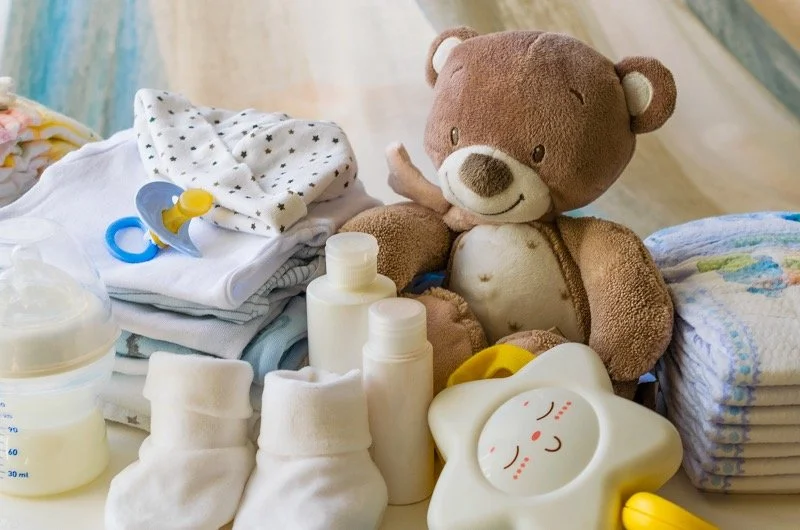
Embrace Simplicity: Simplify Your Newborn Essentials
Are you feeling overwhelmed trying to figure out what your newborn actually needs?
Try not to worry too much! Every soon-to-be parent is in the same sea as you—just in a different boat. And that’s exactly how it will be when you decide what your baby truly needs.
In today’s world, with the rising cost of living and the constant pressure to spend wisely, it’s natural to want to avoid unnecessary purchases. Babies grow so quickly—outgrowing clothes and gear in what feels like days—especially during that first year.
Tip of the Week: Simplify.
Focus on the basics your newborn will use every day until you both settle into a rhythm. The truth is, newborns don’t need all the fancy extras. They need comfort, care, and the essentials that make those first few months smoother for both of you.
Newborn essentials checklist:
Feeding: Bottles, nipples, formula (if not breastfeeding), burp cloths, nursing pillow.
Diapering: Diapers (newborn and #1 sizes), wipes, diaper rash cream, changing pad.
Clothing: Onesies, sleepers, socks, mittens, hats.
Sleep: Crib or bassinet, fitted sheets, swaddles or sleep sacks.
Bathing: Baby bathtub, gentle baby wash, soft towels, washcloths.
Health & safety: Thermometer, nail clippers, baby first aid kit.
On the go: Car seat, stroller, diaper bag, baby carrier.
Everything else — like fancy gadgets, toys or extra outfits — can wait until you know your baby’s preferences and your routine.
If you’d like to have all your newborn and baby registry questions answered, contact me today!
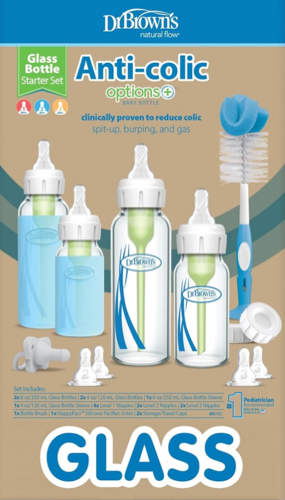
Dr. Brown's Anti-Colic Options+ Narrow Glass Baby Bottle Starter Set
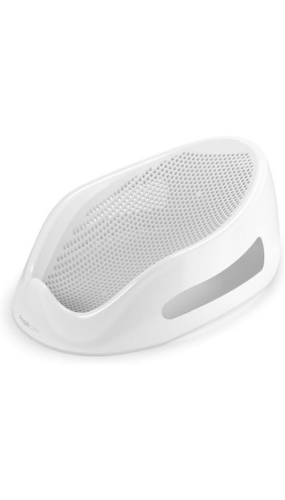
Angelcare Baby Bath Support
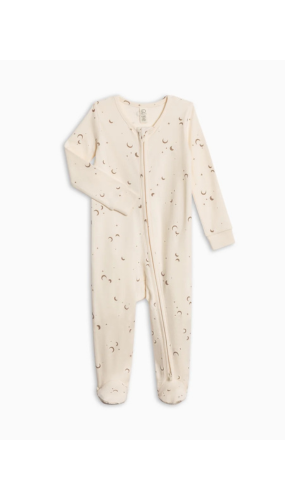
Colored Organics Sleepeers